
Insights
02DEC 2025
Meeting the challenge of extreme HPC and AI power requirements
High-performance computing and artificial intelligence workloads are driving data centres to new levels of demand. Traditional facilities were designed for racks drawing 3 to 12 kilowatts. Modern HPC and AI clusters often require 50 to 100 kilowatts per cabinet. This density places significant strain on power supply and cooling systems.
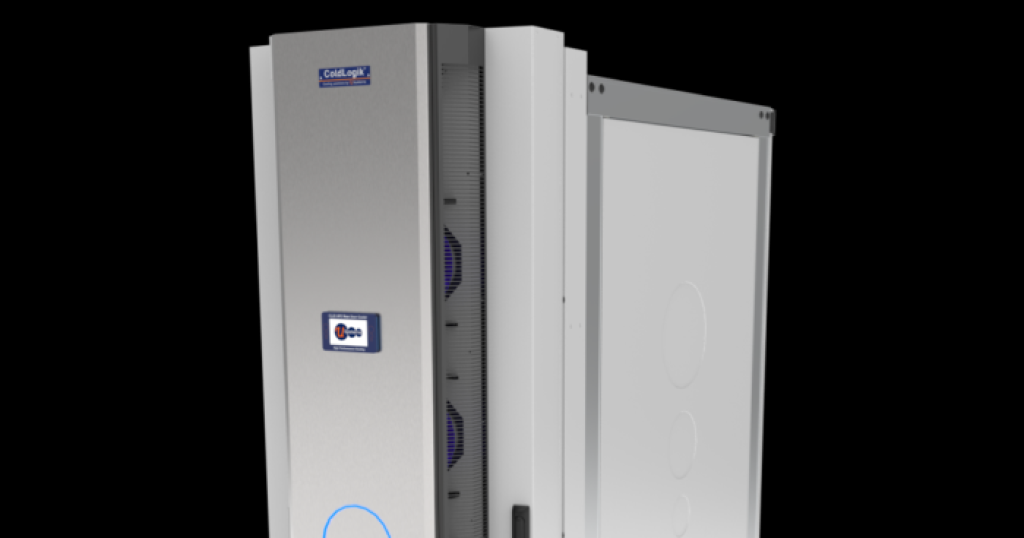
USystems ColdLogik provides a practical response. By removing heat directly at the source, ColdLogik Rear Door Heat Exchanger technology allows racks to operate at extreme densities without overwhelming the wider facility.
ColdLogik Rear Door Heat Exchanger explained
ColdLogik Rear Door Heat Exchanger units are designed to handle the thermal output of high-density racks. The CL23 model, for example, delivers up to 200kW of cooling per rack. By placing the cooling system at the rear of the cabinet, heat is captured and removed before it enters the room.
This approach supports stable operation even when racks are filled with GPUs and accelerators running at full load. For HPC cooling solutions, this design is particularly valuable because workloads often run continuously and produce sustained heat levels.
HPC cooling solutions
Supercomputers and AI clusters generate constant thermal loads. Traditional cooling systems struggle to manage this demand. ColdLogik technology provides consistent thermal control, reducing the risk of faults and downtime.
AI data centre cooling
Securing reliable grid power is one of the biggest hurdles for HPC and AI data centres. Facilities may require several megawatts of supply, which can take years of planning and investment. By improving cooling performance at the rack level, USystems ColdLogik helps reduce the overall strain on infrastructure.
AI data centre cooling strategies must balance energy use with performance. ColdLogik systems support this balance by removing heat efficiently and reducing the need for oversized plant equipment.
Is your current cooling setup draining time and resources? We support teams looking to reduce faults, cut maintenance, and stabilise energy use without major system overhauls.
Real-world application
ColdLogik has been deployed in facilities supporting advanced computing projects. By enabling racks to run at densities beyond 100 kilowatts, USystems technology has proven its value in environments where performance cannot be compromised.
High-density racks
High-density racks are becoming standard in AI research and commercial HPC clusters. Without adequate cooling, these racks would quickly exceed safe operating temperatures. ColdLogik Rear Door Heat Exchanger units provide the control needed to keep workloads stable and reliable.
Looking to support high density racks without rebuilding your facility? Our team works with operators to design cooling strategies that match performance goals and budget requirements.
Practical benefits for operators
ColdLogik systems can be deployed in new facilities or retrofitted into existing data centres. This makes them suitable for organisations upgrading legacy systems or building new HPC clusters.
Operators benefit from reduced energy consumption compared to traditional cooling methods. By capturing heat at the source, ColdLogik lowers the demand on room cooling and plant equipment. This can translate into lower operating costs and improved reliability.
Interested in working together
At QIS, we work with data centre teams to assess, plan, and implement cooling strategies that match real-world performance and budget goals. Whether you are upgrading legacy systems or planning a new facility, we can help you improve efficiency and avoid overbuilding.

Leave a Comment